Hi All,
Bit of a backstory here…..
I purchased SP about 6 weeks ago and have been really enjoying it…. BUT… it was clear from the first play that something was just not right with the acoustic kits that come with SP. I have seen older forum posts of people expressing dissatisfaction with the acoustic kits, but the issue was never really take seriously by Sunhouse.
So, I started digging into the module chains and samples, and I found some …well, weird stuff.
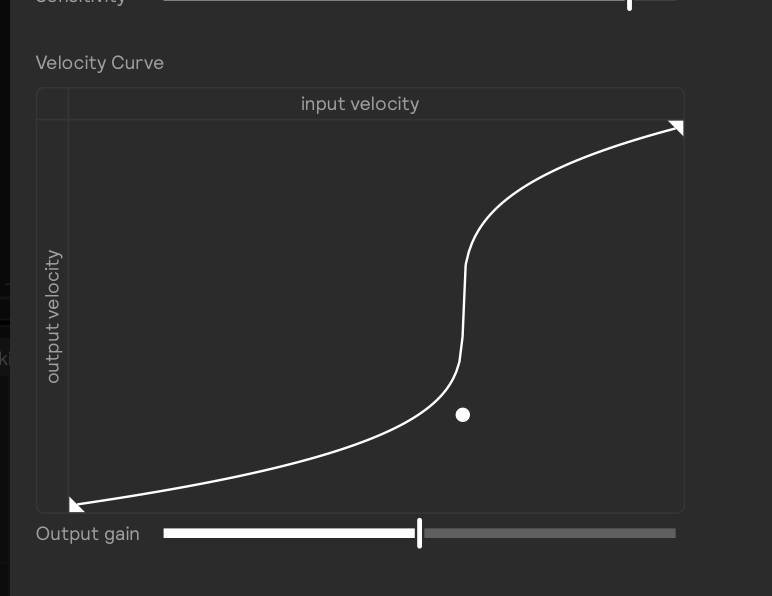
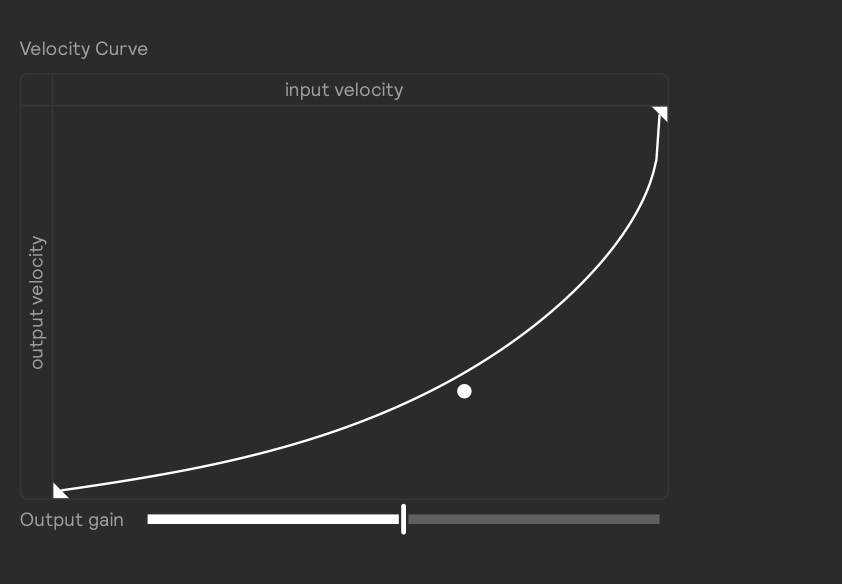
First, have you ever noticed that when you play the acoustic kits, it’s almost impossible to play quietly? Even if the sensor input is just over the threshold of the red cut-off line, the audio output is at least 3/4 of the mixer bar? I was finding that when I wanted a ghost note, I got the “sound” of the ghost note, but at the volume of a middle hit. Right? Please tell me I’m not the only one who has noticed this?
Also, the presets, even on the basic acoustic kits, are overloaded with effects and options. And the dynamics and relative levels between the different types of hits could be really jarring; like a super loud rim shot when played at the same velocity as a ghost note.
My goal with this project was really just to create acoustic kits that I could actually use as a practice kit, because I was so frustrated with the feel of the SP kits from day one. Success!! Download the attached sound pack and try out every single SP acoustic kit that has been revamped all the way up from the sample level. Yes, this took dozens of hours.
Along the way, here are some of the weird things I found:
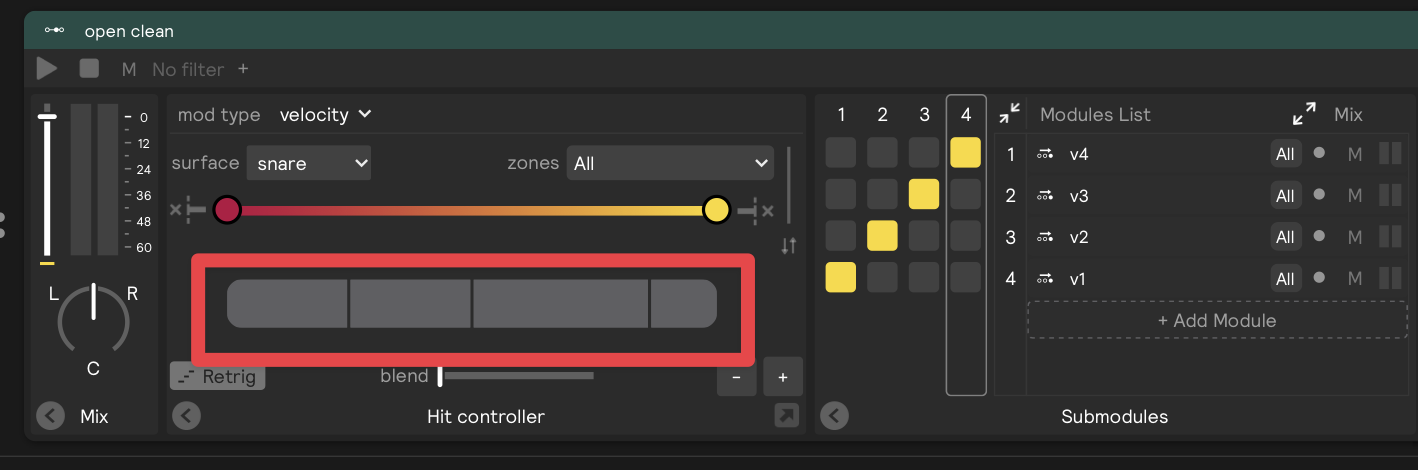
- It appears that the samples being used have all had their amplitude adjusted to 0dB. This makes sense in a scenario when you have a single sample and its volume is linked to velocity (like in cheap e-kits). But in SP, where we have different sample sets for different volumes/velocities this means that the sound of a light hit will play at the same volume as a heavy hit. This really messed with the dynamics, so instead of modifying each sample, I had the adjust the mix of every velocity level across every zone of every drum of every kit. Guys, this took many, many hours. But in the end, I can finally play a ghost not at the right volume, more or less.
- Following the previous comment, the different sample sets for the different velocities (V1, V2, V3, etc.) were all set at the same volume. Because the raw samples had all had their amplitude gained to 0dB, I adjusted the mix volume from the different velocity sets, and then added some blending so that I could play a range of volumes.
- Many samples across all kits and drum types had their sample lengths reduced way down, and the fade length set really high. This led to all kinds of inappropriate clipping of samples. It really changed the sound of the drums in many kits when I fixed this. Especially the snares at low volume, where the sizzle or ring stopped very abruptly. Basically, manually adjusting the length and fade setting for hundreds/thousands of individual samples.
- Some of the “muted/open” transitions were set up so that both samples were always playing. It was impossible to only hear one of the samples at a time. Check out the black cat kit for this issue.
- Several kick drums had the open hit and closed hit mapping reversed. It was hard to figure this one out, until I set the individual samples to full length and then the tone of the drum came back. In some cases, the labelling was right, but just mapped wrong (see verdigris kick drum, for example).
- Have you noticed that many of the kick drums sounded overly “boomy” with an exaggerated long tail? I think this was a side effect of increasing the sample amplitudes of lower velocity samples, thereby making the tails way louder. This was fixed by creating envelope modulators that dropped the volume of the boomy tails. I have to do this with some snares, too.
- Sometimes (rarely, though) I would find samples in the same sequence that had their gain settings at different levels, leading to some hits sounding much more prominent than the others.
- Compression and EQ… oh my god, most kits had samples being run through two to four different compression and EQ chains. This had really flattened out the dynamics. I basically deleted all of these effects. Yes, the result is that the kits sound quieter overall… but the dynamics make sense now, or at least I think so.
So please let me know what you think about the adjusted kits! Hopefully Sunhouse takes a look at these as well. I’m not an audio engineer (I just like to tinker), and I’m sure a professional that had access to the original non-modified samples could get far better results that I have.
My only other comment after using the product for several weeks is that in order to become a real market contender, there needs to by way more acoustic kits included in the software, and way more diversity in the kit sounds. And they should sound great on the first hit, with no need to mess around with removing reverbs and delays and other stuff. My 2 cents.
Cheers!!
Adjusted Acoustic Kits.spz (914.9 KB)